
Field notes from the front of customer research.
Essays, teardowns, and short notes on building product with customers in the room.

The persona that describes everyone describes nobody
I can write a persona in a minute, knowing nothing about your product, and you'll probably recognise your customers in it. That's the Barnum effect, the mechanism behind horoscopes. The worse problem comes next, when a summary of research gets a name and starts being consulted like a person who exists.
Read
You already have the research, it just isn't in one place
Most early-stage teams will tell you they don't have the time or the budget for customer research, and that there aren't enough users yet for it to mean much anyway. But they're usually sitting on a decent pile of it already, in the sales calls and the support emails and the questions that keep coming up in onboarding. It just doesn't look like research, because none of it was collected as research.
Read
The quote that hijacks the room
You run some genuinely good research, and then in the meeting one customer's sharp line ends up doing more to the roadmap than the whole study did. Nobody meant to weigh one person over four hundred, it just sort of happens, mostly because a quote you can repeat outlasts a number you have to look up. And the lines that stick tend to be the least typical ones you heard.
Read
The persona nobody owns
Most teams have a persona doc that no one has updated in a year, because keeping the customer understanding current isn't anyone's job. Every function owns its own slice and is measured on that slice. The shared picture lives between them, so it belongs to no one, and it drifts from the real customer while everyone keeps building on it.
Read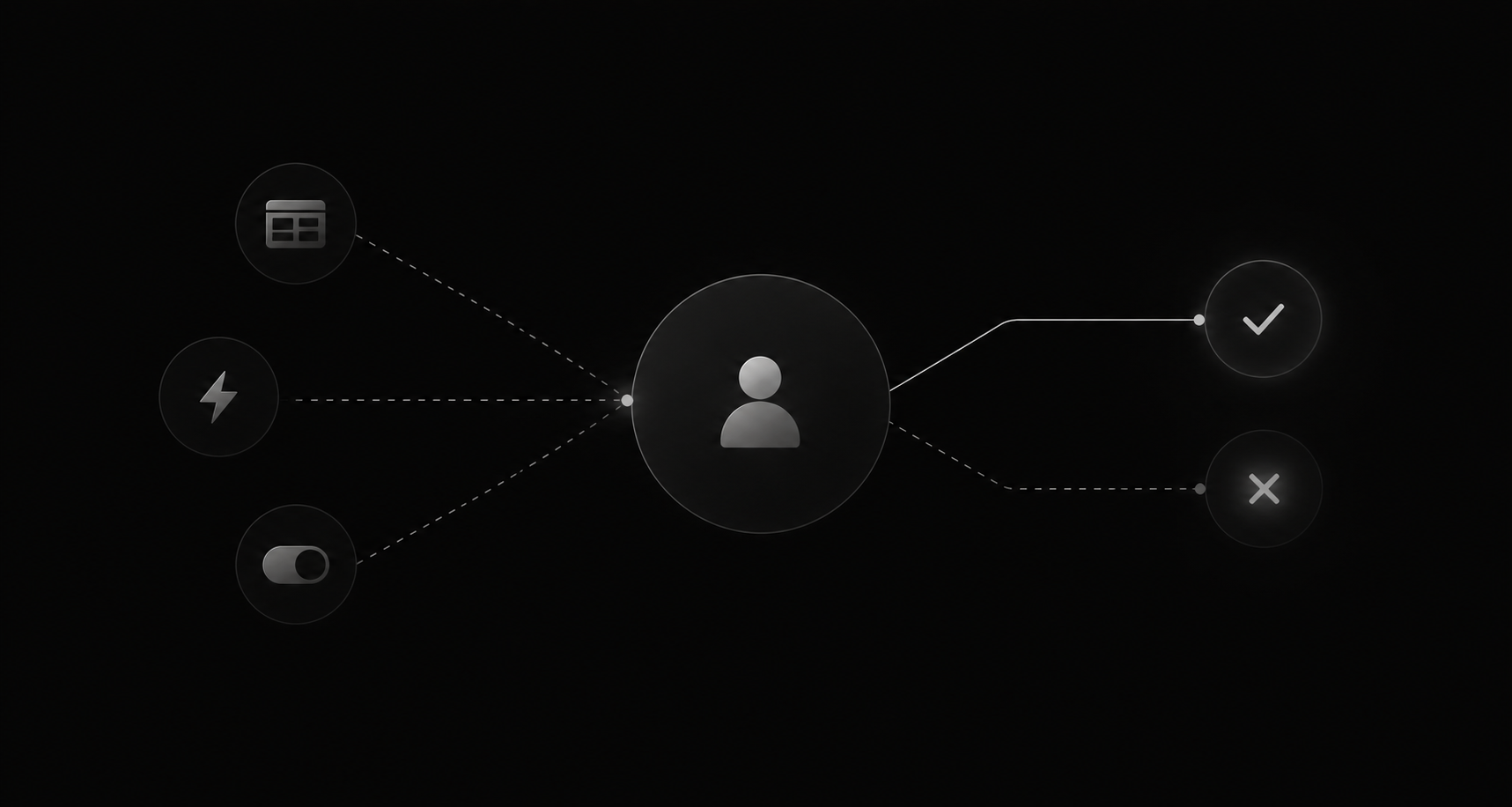
A persona that can't say no isn't doing any work
Most personas are built from things that are true of everyone, values simplicity, wants to save time, so they can't rule anything out and end up agreeing with whatever you were going to build anyway. A persona that holds real understanding should be able to say no, to look at a feature you like and tell you this person would never want it.
Read
You only study the customers that stayed
Almost everything you know about your customers comes from the ones still around to be asked. The customer who churned, or the prospect who chose a competitor, leaves almost nothing behind, and yet those are usually the people holding the information you most need.
Read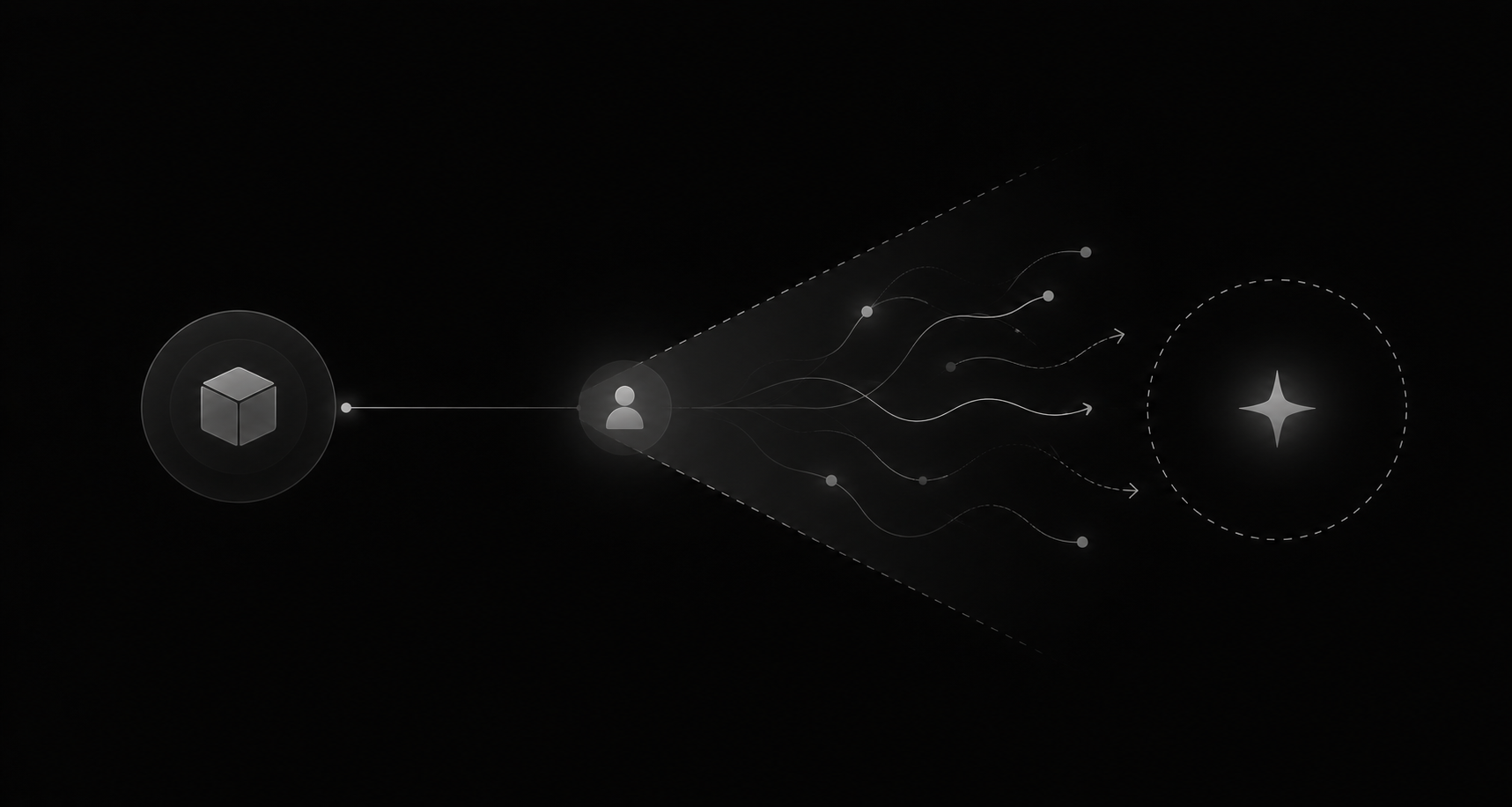
Your power users know your product better than you do
I worked for a while on an analytics tool with its own in-house query language, and a small group of power users started writing queries in it that were more sophisticated than anything the people who built the language had imagined. The instinct is to file that under noise, a weird technical tail, when it was closer to a forecast, and following it made the whole product more powerful for everyone.
Read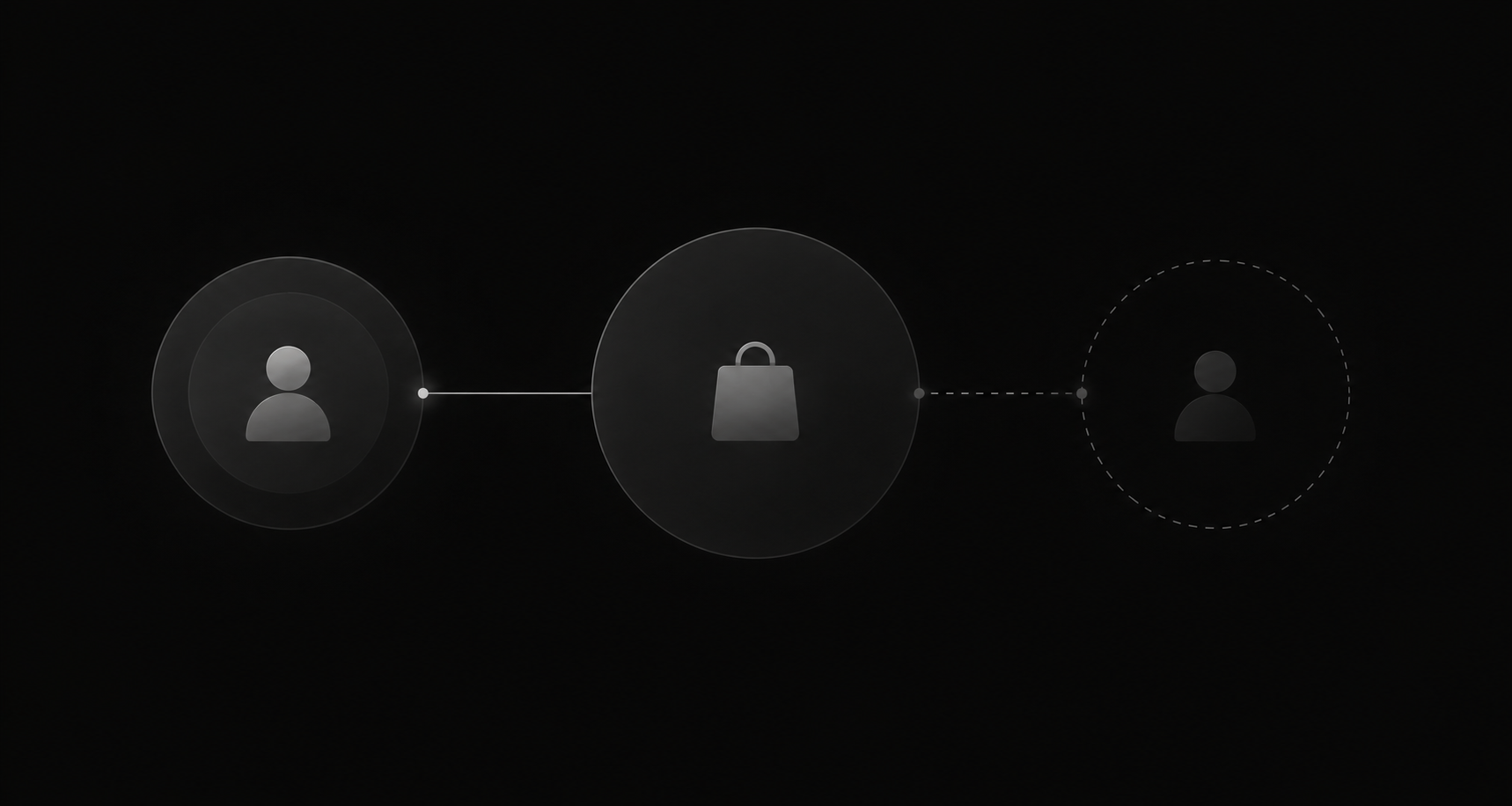
In a two-sided marketplace, one of your customers is invisible
Early in my career, and fairly new to conversion work, I spent a while on a tutoring marketplace, where one set of people book and pay and another set actually teach, and the two wanted quite different things from the same screens. The trouble is that your conversion metric lives on the buyer's side, so the whole optimisation machine leans that way, and in a marketplace the side you neglect is the one you're actually selling.
Read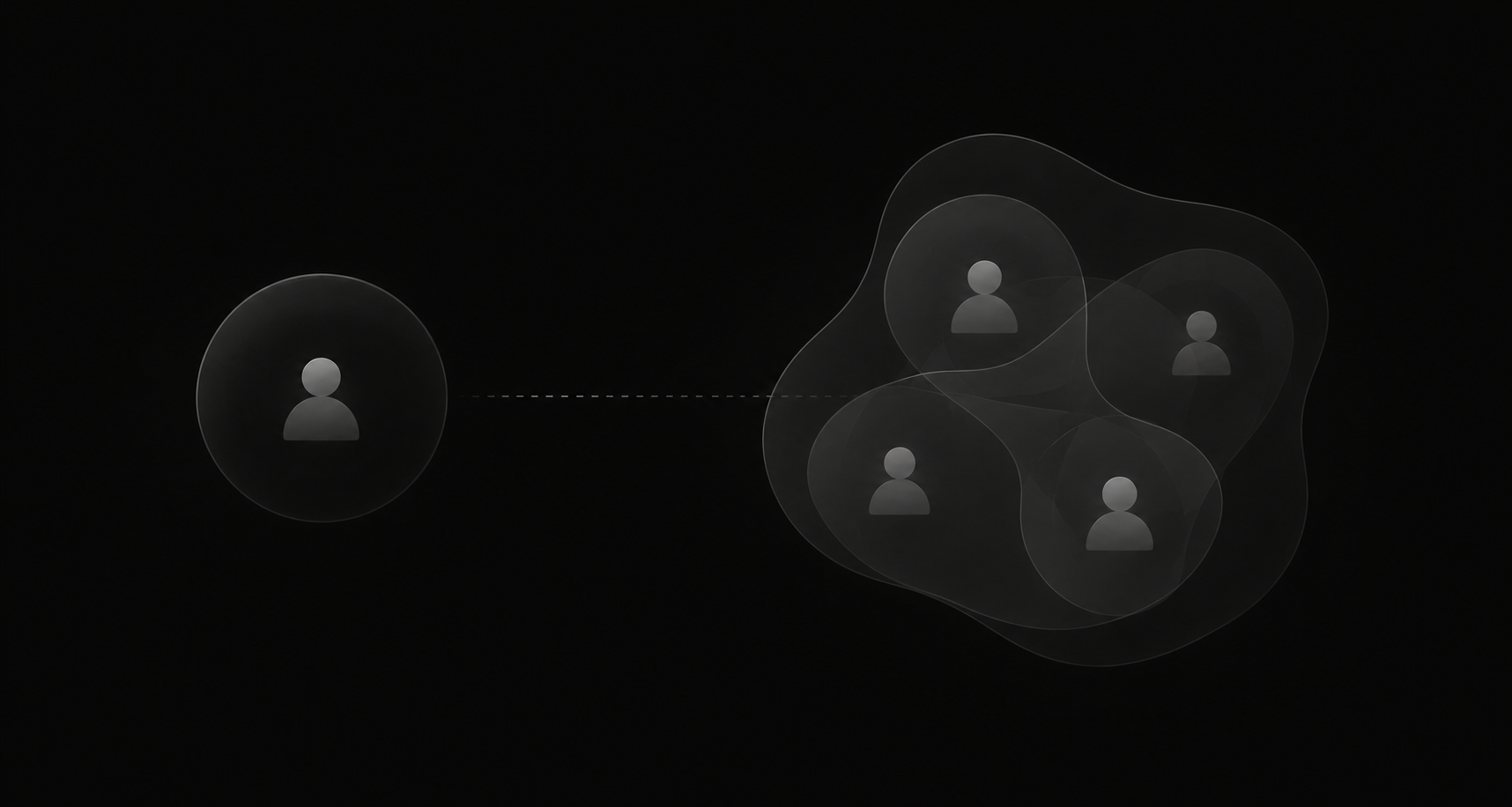
The average customer is a person who doesn't exist
In 1950 the US Air Force measured 4,063 pilots to design a better cockpit around the average airman, and found that the average airman didn't exist. The composite persona is the same move, and it carries the same quiet risk: a figure that summarises everyone and resembles no one, built by averaging away the very spread your product decisions depend on.
Read
Knowing your customer is not the same as having met them
"We know our customers" is usually said to end an argument, and usually it means the team met them once, a while ago, and has been running on the memory ever since. I learned the difference the hard way, building an entire prototype for insurance brokers on a belief about them that light research had quietly waved through. This is a piece about why meeting your customers is an event, knowing them is a state, and why teams keep mistaking the first for the second.
Read
What I've been building
After a decade in early-stage startups, I've watched teams do good research and then quietly lose the insights three weeks later, more times than I can count. I've come to believe personas should be representations you can interact with, not documents you reference, and that customer understanding belongs in a continuous state, not in a folder somewhere. Corha is what I've been wanting to use the whole time, and this is the piece on why I'm building it.
Read
Why most personas die in the doc that created them
Most user personas die quietly in the document that created them, ignored by the teams they were built for. This piece looks at why that keeps happening, and what it takes to treat personas as a living state rather than a one-off artefact.
ReadNew field notes, in your inbox.
One or two thoughtful emails a month on customer research, product, and the practical reality of working with AI.